%20(11).png)

Volume Is a System Problem
Volume Is a System Problem
They had the trucks.
They had the routes.
They had the capacity.
What they didn't have was enough qualified leads to fill it.
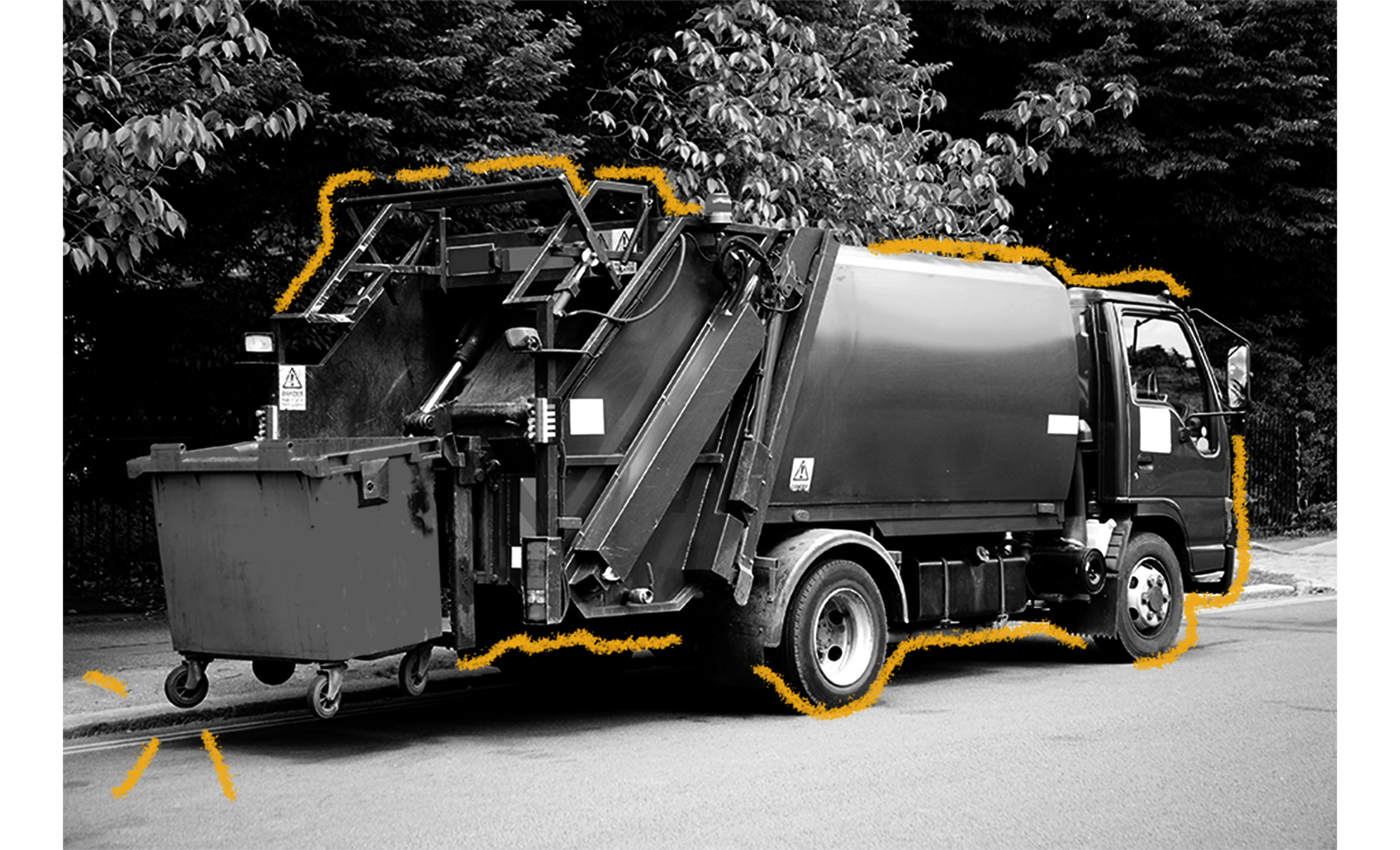
This is a national waste management company. Multiple U.S. regions. Residential, commercial, and construction.
The kind of operation where growth isn't limited by ability to deliver.
It's limited by ability to acquire.
And their acquisition was broken.
Here's what most companies do when leads aren't coming in:
They spend more.
More budget. More campaigns. More agencies.
But spending more on a broken system just burns cash faster.
The problem isn't volume.
The problem is the system that's supposed to produce the volume.
So we rebuilt it.
From the ground up.
New campaign architecture across Google Ads. Three business lines, each with its own targeting, its own messaging, its own strategy.
Residential. Commercial. Construction.
Different audiences. Different intent. Different pain points.
But one unified system that handles all three.
Before we touched a single ad, we fixed tracking.
You can't optimize what you can't measure.
Every lead, every call, every form submission — tracked and attributed properly.
That data became the foundation for every decision after.
The residential segment was the surprise.
It was their worst performer. Most companies would deprioritize it. Shift budget elsewhere. Focus on what's "working."
We did the opposite.
We rebuilt it from scratch. New structure. New targeting. New creative.
What was underperforming became their strongest acquisition channel.
2025 results:
$4.38M in ad spend managed.
$112M in closed revenue.
$168M in total pipeline.
What This Teaches Us
Volume problems are system problems.
When leads aren't coming in, the instinct is to spend more. But more money into a broken system just means more waste.
The answer is almost never "more budget."
The answer is better architecture.
Your worst segment might be your biggest opportunity.
Everyone wants to double down on what's working. That's fine.
But sometimes the underperforming segment isn't bad — it's just neglected.
Fix it instead of abandoning it. You might find your biggest growth lever.
Tracking isn't optional.
If you don't know what's working, you're guessing.
Guessing is expensive.
Proper tracking turns acquisition from gambling into engineering. You see what's working, you do more of it. You see what's not, you cut it.
Simple. But most companies skip this step.
B2B and B2C can coexist.
Homeowners and construction companies are different audiences. Different intent. Different language.
But they don't need separate agencies or separate strategies.
They need architecture that respects the differences while scaling across all of them.
One system. Three business lines. $112M.
If Your Acquisition Isn't Producing
You've probably tried spending more. Hiring agencies. Launching new campaigns.
And it probably hasn't worked the way you hoped.
That's because the problem isn't effort.
It's system.
The right architecture makes acquisition predictable. The wrong architecture makes it a money pit.
We'll help you figure out which one you have.
Explore some other blogs
blogs